Seasonal Lawn Care Checklist for Ohio Homeowners


Spring Lawn Care
As the snow melts away and temperatures begin to rise, it's time to rejuvenate your lawn. Start by raking away debris that accumulated over the winter. This helps to prevent mold and allows new grass to grow. Aerating your lawn is also crucial in spring, as it improves soil drainage and encourages root growth.
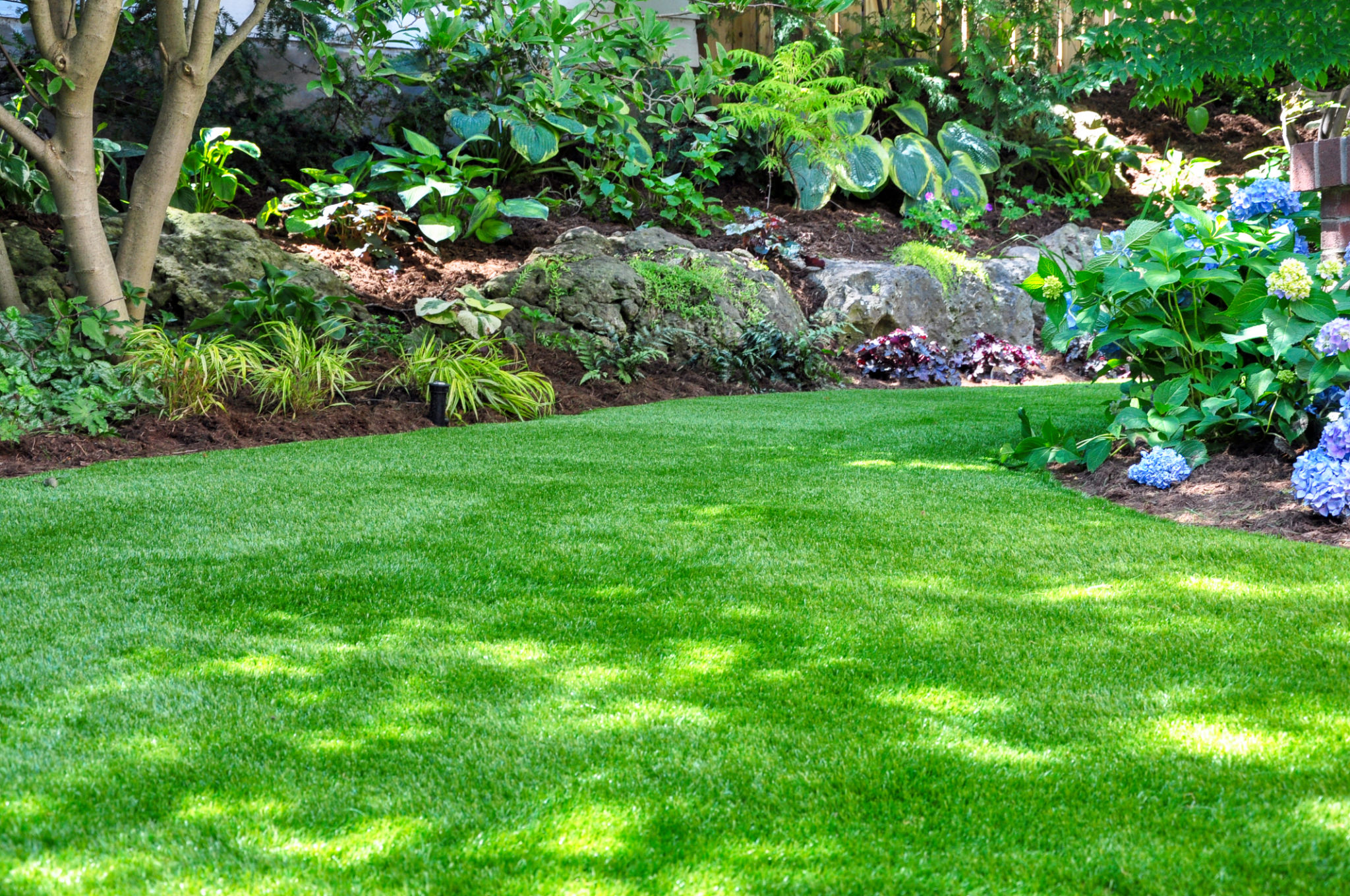
Next, apply a slow-release fertilizer to provide essential nutrients for your grass. This will ensure that your lawn greens up quickly and remains healthy throughout the season. If your lawn has bare spots, now is the time to overseed and fill them in.
Weed Control
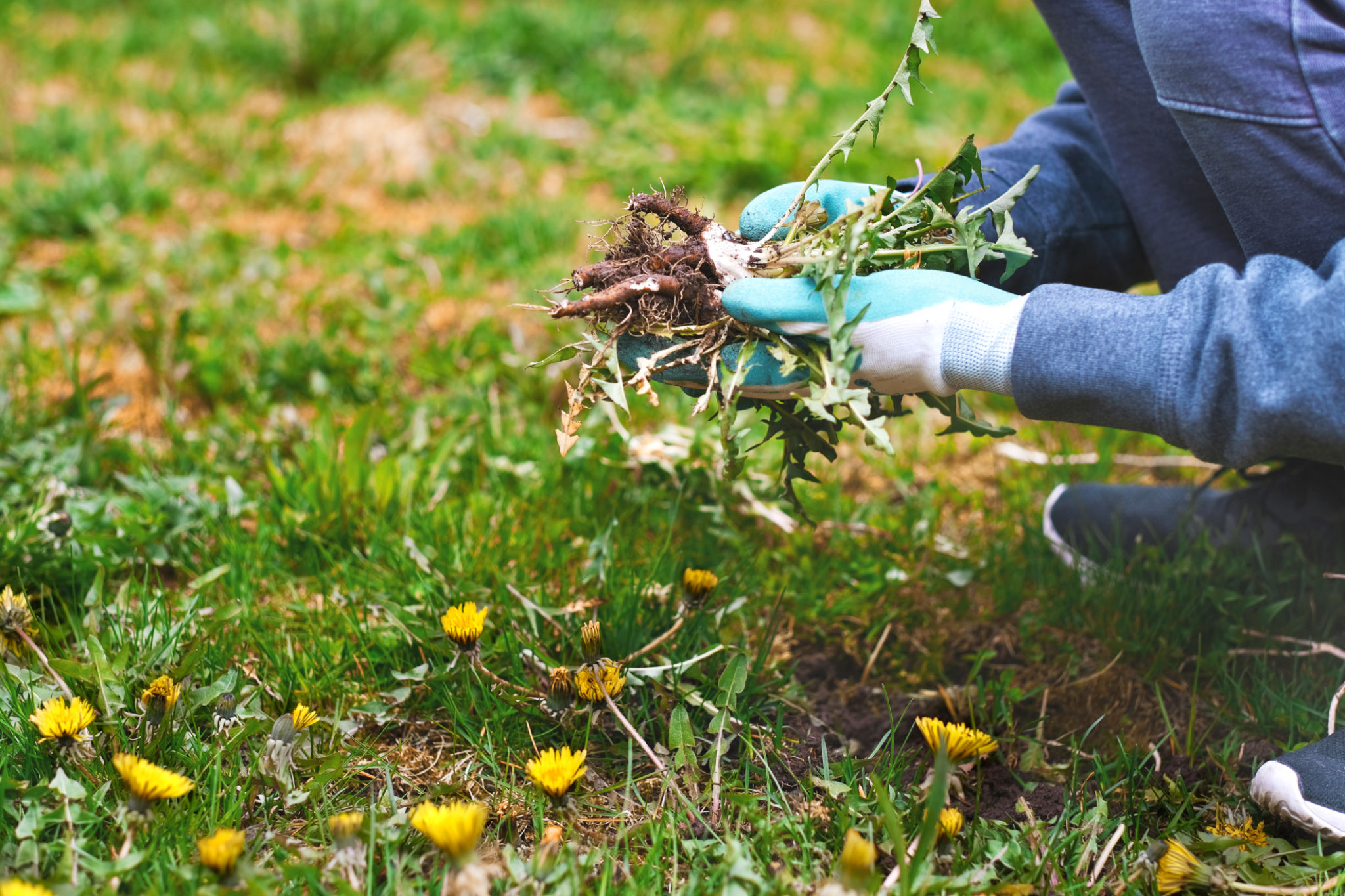
Spring is also the time to get ahead of weeds. Applying a pre-emergent herbicide will prevent crabgrass and other common weeds from taking root. Be mindful to follow the instructions on the label to avoid damaging your grass.
Summer Lawn Care
As the weather heats up, it's important to adjust your lawn care routine. Mow your lawn regularly, but keep the grass a little taller to retain moisture and shade the soil. Water deeply but less frequently to encourage deep root growth.
During the summer months, pests can become a problem. Keep an eye out for signs of insect damage and consider using a natural pesticide if necessary. Regularly check for grubs and other pests that can harm your lawn.

Fall Lawn Care
Fall is the perfect time to prepare your lawn for the winter months. Start by aerating again to relieve soil compaction and improve airflow. Apply a fall fertilizer to strengthen roots and increase resilience to the cold weather ahead.
Leaf Management
Leaves can smother your grass if not managed properly. Regularly rake or mulch leaves to prevent damage and allow sunlight to reach your grass. This will keep your lawn healthy and ready for the spring.

Winter Lawn Care
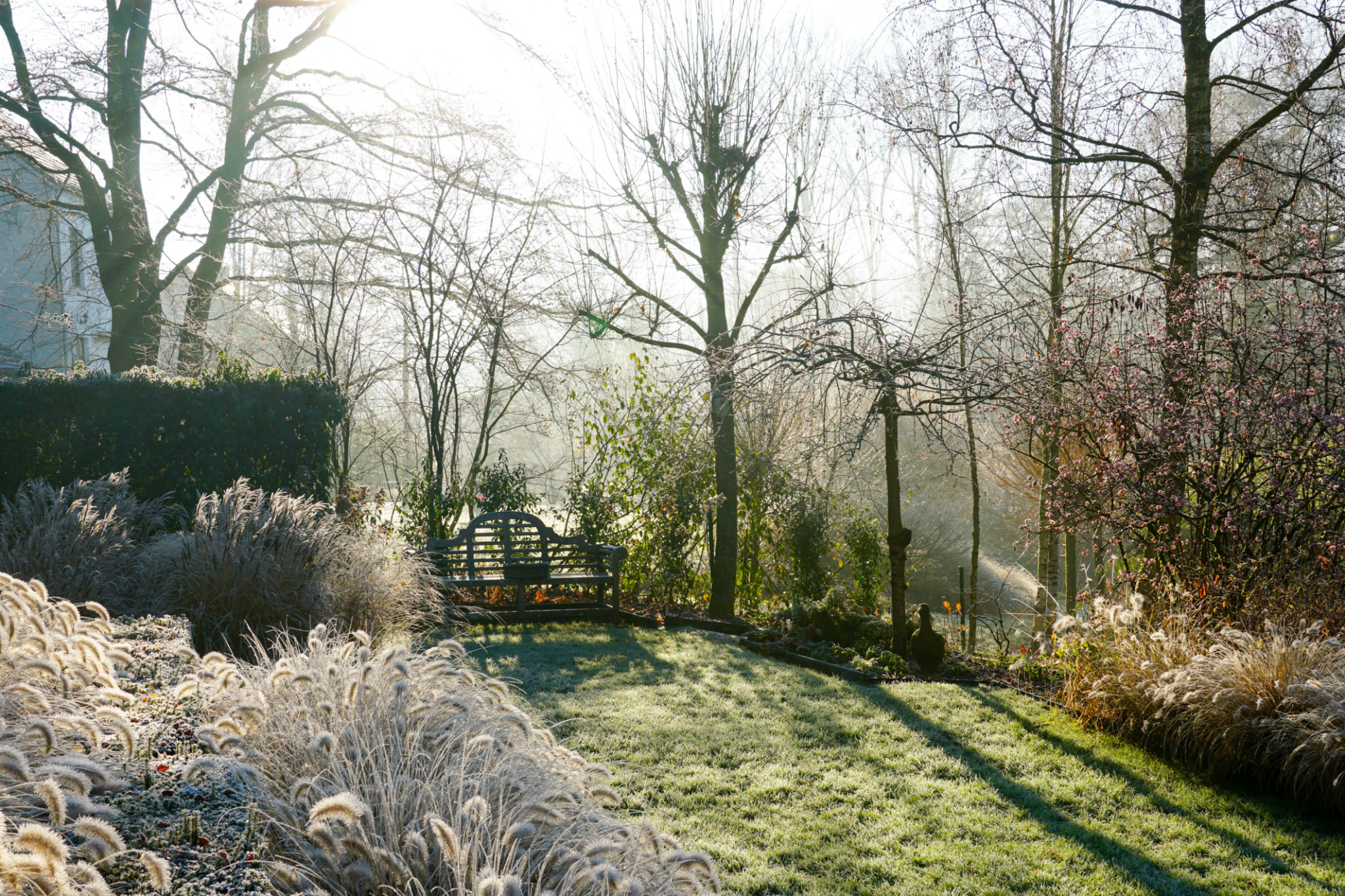
Though lawn care demands lessen in winter, there are still important steps to take. Avoid walking on frozen grass to prevent damage. Keep your driveway and sidewalks clear of ice to reduce the need to walk across your lawn.
Before the first snowfall, give your lawn one last mow, cutting it slightly shorter than usual. This will help prevent snow mold and other winter-related issues.
Preparing for Spring
Finally, plan for the upcoming spring by maintaining your lawn equipment. Sharpen mower blades and clean tools to ensure they are ready for use when the snow finally melts away.