Preparing Your Lawn for Ohio's Harsh Winters: A Step-by-Step Guide


Understanding Ohio's Winter Climate
Ohio's winters can be unforgiving, with cold temperatures, snow, and ice. Preparing your lawn for these conditions is crucial to maintain its health and appearance throughout the colder months. By taking the right steps in the fall, you can ensure that your lawn emerges in the spring, lush and vibrant.
Step 1: Clean Up Your Lawn
Begin by removing debris such as leaves, branches, and dead grass. This prevents mold and disease that can thrive under snow cover. A clean lawn also allows sunlight to reach the grass more effectively.
- Rake leaves and remove any fallen branches.
- Consider composting organic debris for use in your garden.
Why This Matters
Clearing debris ensures that your lawn can breathe and absorb nutrients efficiently, setting a solid foundation for the upcoming winter months.
Step 2: Aerate the Soil
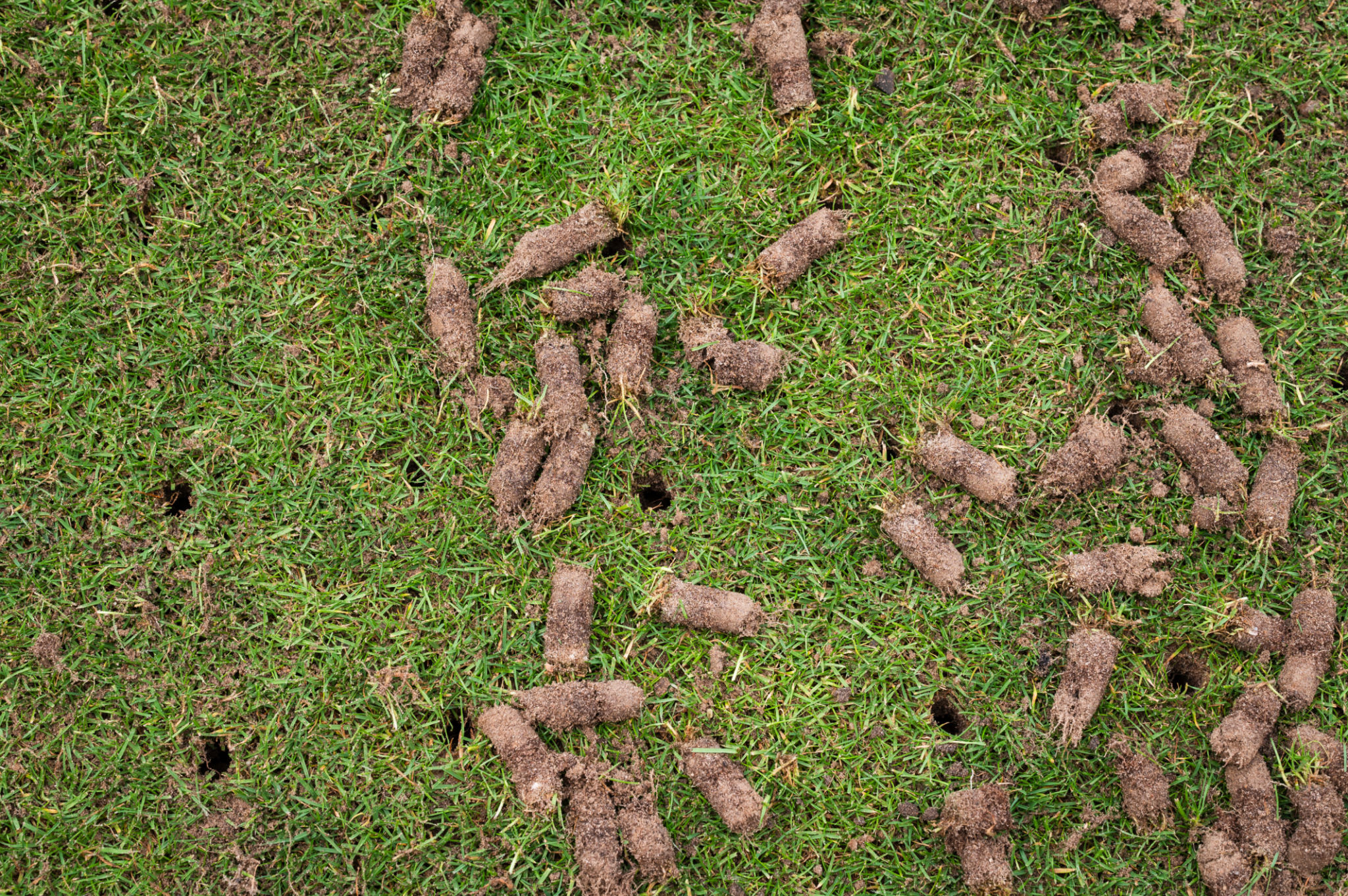
Aeration involves perforating the soil with small holes to allow air, water, and nutrients to penetrate the grassroots. This process helps alleviate soil compaction, ensuring that your lawn can withstand harsh winter conditions.
Consider renting an aerator or hiring a professional service to perform this task. Aim to aerate your lawn in early fall for the best results.
Step 3: Fertilize Before the First Frost
Applying a high-quality fertilizer before the first frost helps your lawn store nutrients needed to survive the winter. Choose a fertilizer rich in potassium, which strengthens grass cells and enhances cold resistance.
- Test your soil to determine the right fertilizer mix.
- Apply fertilizer evenly across your lawn.
Benefits of Fertilization
Fertilizing in the fall prepares your lawn to endure the winter months, ensuring it has the necessary nutrients to thrive once spring arrives.
Step 4: Overseed for a Thicker Lawn
Overseeding is the process of planting grass seeds over existing grass to thicken the lawn. This step is particularly beneficial if your lawn has bare patches or thin spots.
Choose grass seed varieties that are well-suited to Ohio's climate, such as Kentucky bluegrass or perennial ryegrass.
Step 5: Adjust Mowing Practices
As winter approaches, gradually lower the cutting height of your mower. By doing so, you can prevent snow mold, a common issue in colder climates.
Aim to keep your grass around 2 to 2.5 inches tall before the first snowfall. This height is optimal for preventing disease and maintaining lawn health during the winter months.
Conclusion
Preparing your lawn for Ohio's harsh winters doesn't have to be overwhelming. By following these steps, you can ensure your lawn remains healthy and vibrant, ready to bounce back in the spring. Take the time to invest in your lawn's winter care, and you'll reap the benefits when the warmer weather returns.