How to Implement Sustainable Landscaping Practices at Home


Understanding Sustainable Landscaping
Sustainable landscaping is an approach that seeks to create outdoor spaces that are environmentally friendly and resource-efficient. By implementing sustainable practices, you can reduce your environmental impact, conserve water, and support local wildlife. This approach not only benefits the environment but can also enhance the aesthetics and functionality of your landscape.
One of the key principles of sustainable landscaping is to work with nature rather than against it. This involves selecting native plants, reducing water usage, and minimizing chemical inputs. By focusing on these elements, you can create a balanced ecosystem in your own backyard.

Choosing Native Plants
Native plants are adapted to the local climate and soil conditions, making them an excellent choice for sustainable landscaping. They require less water and maintenance, and they provide essential habitat for local wildlife. When selecting plants, consider their growth habits, light requirements, and compatibility with other species in your garden.
To get started, research the native plants in your area and choose a variety that suits your landscape's conditions. Grouping plants with similar water and sunlight needs can further reduce maintenance efforts and enhance plant health.

Water Conservation Techniques
Water conservation is a crucial aspect of sustainable landscaping. There are several techniques you can implement to reduce water usage:
- Drip irrigation: This system delivers water directly to the plant roots, minimizing evaporation and runoff.
- Rainwater harvesting: Collect rainwater in barrels to use for irrigation during dry periods.
- Mulching: Apply a layer of organic mulch around plants to retain soil moisture and suppress weeds.
These strategies not only conserve water but also help maintain healthy plants and soil.

Minimizing Chemical Inputs
Reducing the use of synthetic fertilizers and pesticides is essential for a sustainable landscape. Instead, focus on building healthy soil through composting and using organic fertilizers. Composting kitchen scraps and garden waste creates nutrient-rich soil, which supports plant growth and reduces the need for chemical inputs.
Additionally, consider using natural pest control methods, such as introducing beneficial insects or companion planting. These practices help maintain a balanced ecosystem and protect beneficial organisms that contribute to soil health.
Creating a Wildlife-Friendly Habitat
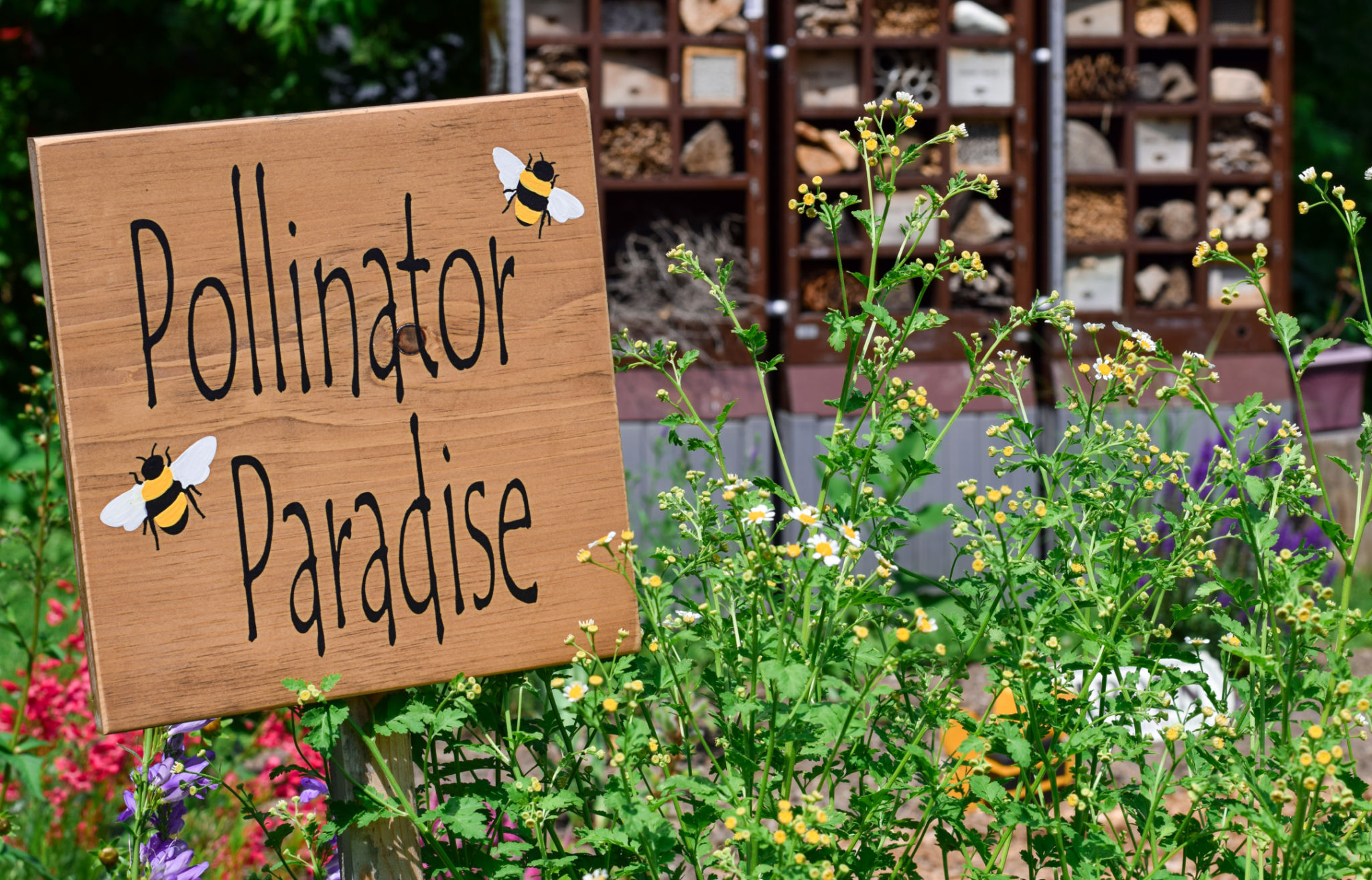
Supporting local wildlife is an integral part of sustainable landscaping. By providing food, water, and shelter, you can attract a variety of beneficial creatures to your garden. Consider planting a diverse range of flowering plants to attract pollinators like bees and butterflies.
Incorporate features such as birdbaths, nesting boxes, and small ponds to provide essential resources for birds and other wildlife. These elements not only enhance the visual appeal of your landscape but also contribute to biodiversity and ecosystem health.
Conclusion
Implementing sustainable landscaping practices at home is a rewarding endeavor that benefits both the environment and your personal enjoyment of your outdoor space. By choosing native plants, conserving water, minimizing chemical use, and creating wildlife-friendly habitats, you can cultivate a vibrant and sustainable garden. Start small and gradually incorporate these practices into your landscape to create a lasting positive impact.